From Curiosity to Capstone
A Four-Year Project Roadmap for High School Students Interested in Medicine, Law, STEM, Business, and More
Written By DCP Blog Guest Author Abhi Kandi · on July 15th, 2026 · 12 min read
Table of Contents
They say high school students need a passion project.
The phrase appears everywhere.
In counseling meetings.
In parent conversations.
In college-planning webinars.
In discussions about summer programs, extracurricular activities, leadership, research, and admissions.
But the phrase often creates more pressure than direction.
Parents begin imagining nonprofits, patents, published research papers, mobile applications, national competitions, and organizations with impressive names.
Students begin to believe that they must become founders before they are old enough to drive.
That is not the point.
A meaningful high school project does not need to begin as something extraordinary.
It needs to begin as something genuine.
A question.
A problem.
A skill the student wants to develop.
A community the student wants to understand.
A strong project grows gradually. It develops as the student develops.
A ninth grader may begin by learning how to code, interviewing a local professional, reading scientific articles, or observing a community problem.
By tenth grade, the student may possess enough knowledge to design something small.
By eleventh grade, that small experiment can become a serious initiative, research study, prototype, publication, or service project.
By twelfth grade, the student should be able to explain not only what they created, but also what they learned, what failed, whom the work helped, and how the experience shaped their academic direction.
That is the difference between an activity and a meaningful project.
An activity fills time.
A project creates a story.
The Problem With the "Perfect" Passion Project
Many students believe they must choose their future career before beginning a project.
That is backwards.
Projects are not only meant to prove an existing interest.
They are also meant to test one.
A student who says, "I am interested in medicine," may discover through a public health project that they are more interested in health policy than clinical care.
A student who believes they want to become an attorney may discover that they enjoy legal research but dislike public speaking.
A student who begins building a robot may realize that the environmental data collected by the robot is more interesting than the machine itself.
That is not failure.
That is discovery.
High school is supposed to be a period of exploration. A good project allows the student to move from a broad interest to a more informed understanding.
"Medicine" can become public health, biomedical engineering, neuroscience, health economics, or patient advocacy.
"Law" can become public policy, criminal justice, constitutional law, immigration policy, environmental regulation, or civic education.
"Technology" can become artificial intelligence, cybersecurity, data science, software engineering, robotics, or ethical technology design.
The goal is not to appear certain at fourteen.
The goal is to become more thoughtful by eighteen.
The Four-Year Project Ladder
A sustainable project should develop in stages.
Ninth Grade: Curiosity
Ninth grade should be about exploration.
Students can take introductory courses, join clubs, read books, attend lectures, interview professionals, participate in competitions, and experiment with basic tools.
They do not need to launch an organization.
They need to understand what interests them.
Tenth Grade: Capability
Tenth grade should be about skill development.
Students can begin learning research methods, coding languages, design tools, laboratory practices, writing techniques, statistical analysis, video production, or public speaking.
This is the year to create a small pilot project.
It does not need to be perfect.
It needs to be completed.
Eleventh Grade: Contribution
Eleventh grade is often the strongest year for building a serious capstone.
The student now has greater academic knowledge, stronger technical skills, and a clearer sense of direction.
This is the time to work with a mentor, identify a real problem, collect information, build a prototype, conduct research, lead a community initiative, or produce something that others can use.
Twelfth Grade: Communication and Continuity
Twelfth grade should not be about inventing an entirely new personality for college applications.
It should be about deepening and communicating the work already completed.
The student can publish results, improve the project, train younger students, present the work, build a portfolio, document lessons learned, or create a continuation plan.
The final product matters.
But the reflection matters just as much.
Data Science and Software
Project Idea: A Predictive Community Data Dashboard
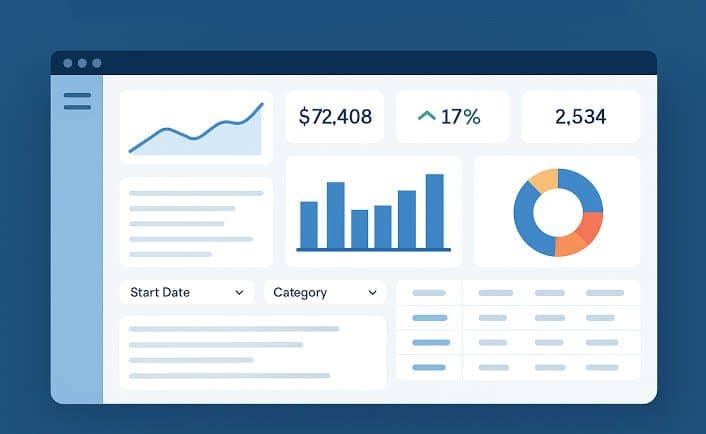
For students interested in computer science, data science, statistics, economics, or public policy, a predictive dashboard can combine technical ability with a real community question.
The goal is to build an end-to-end application that collects or analyzes public data, trains a machine-learning model, and displays findings through an interactive dashboard.
The topic should be connected to something the student genuinely wants to understand.
Possible subjects include:
- Local air-quality patterns
- Traffic congestion
- Public transportation delays
- Housing affordability
- Municipal spending
- Water usage
- School enrollment trends
- Local business growth
- Public health patterns
Ninth Grade: Learn the Language of Data
The student can begin with Python fundamentals.
They should learn how variables, loops, functions, lists, and basic data structures work. They can then explore simple datasets using spreadsheets before moving into Python libraries.
The goal is not artificial intelligence yet.
The goal is comfort with data.
Tenth Grade: Clean, Analyze, and Visualize
The student can learn to use Pandas for data cleaning and Matplotlib or similar tools for visualization.
A tenth-grade pilot project might analyze one public CSV file and answer a focused question.
For example:
Has local air quality improved or declined over the past five years?
The student can create charts, explain patterns, and publish a short report or basic webpage.
Eleventh Grade: Build the Predictive Model
The student can collect public data from government sources, open datasets, or approved application programming interfaces.
Using Scikit-learn, the student can train a model such as linear regression, logistic regression, or a random forest.
The project should explain:
- What question the model is attempting to answer
- Where the data came from
- How the information was cleaned
- Which variables were selected
- How accurate the model was
- What the model cannot reliably predict
The limitations are important.
A responsible data scientist does not simply produce a prediction.
A responsible data scientist explains when the prediction should not be trusted.
Twelfth Grade: Make the Work Accessible
The student can host the application through a platform such as Streamlit or Gradio and create an interactive dashboard.
Community members might be able to select a neighborhood, date range, or category and view the resulting analysis.
The student can also create a technical portfolio containing the source code, methodology, visualizations, model limitations, and future improvements.
The impressive part is not that the student used machine learning.
The impressive part is that the student used it responsibly to investigate a meaningful question.
Biomedical and Mechanical Engineering
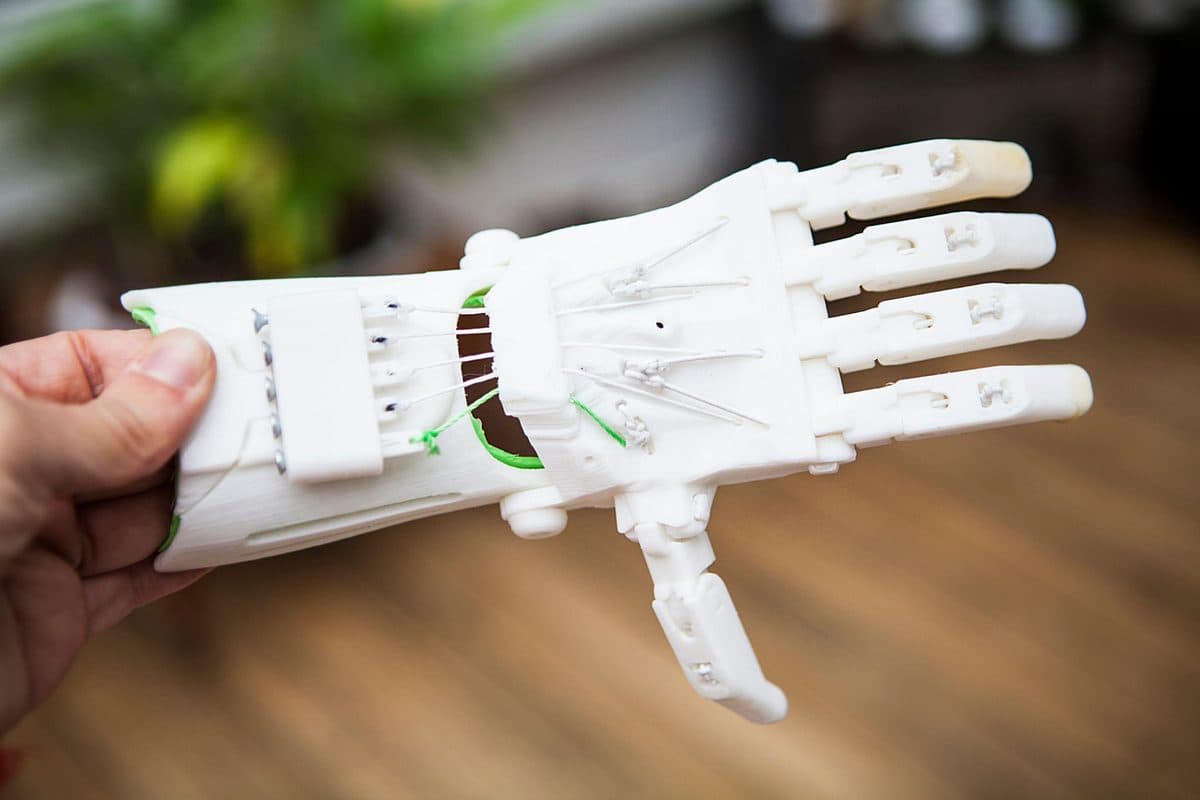
Project Idea: A 3D-Printed Assistive Device
For students interested in biomedical engineering, mechanical engineering, product design, materials science, or healthcare technology, an assistive-device project can connect engineering with human need.
The goal is to design and test a low-cost mechanical tool that helps someone perform a specific task.
Possible ideas include:
- A mechanical prosthetic hand
- A specialized grip for someone with arthritis
- An adaptive writing tool
- A modified utensil holder
- A medication-bottle opening device
- An ergonomic mobility accessory
- A tool that helps individuals with limited hand strength
The project should begin with the person's need.
Not with the printer.
Technology is only useful when it solves the correct problem.
Ninth Grade: Understand Design
The student can begin learning computer-aided design through tools such as Fusion 360 or Onshape.
They can recreate basic objects, study measurements, and learn how mechanical parts fit together.
They should also become familiar with the engineering design cycle:
Define the problem.
Research the need.
Design a solution.
Build a prototype.
Test it.
Improve it.
Tenth Grade: Study Materials and Prototyping
The student can begin using a school, library, maker space, or supervised 3D printer.
They should explore the properties and limitations of common printing materials such as PLA or PETG.
A small pilot project might involve redesigning an everyday object to make it easier to hold or use.
This is also the year to document failed prints.
A failed prototype is not wasted work.
It is engineering evidence.
Eleventh Grade: Work With a Real User or Organization
The student can partner with a clinic, senior center, occupational therapist, school specialist, or an open-source assistive-technology community.
Any interaction involving patients or vulnerable individuals should take place with appropriate adult supervision and organizational permission.
The student can identify one specific physical challenge and design a device around that need.
The project can include:
- User interviews
- Initial sketches
- CAD models
- Prototype versions
- Stress testing
- Comfort testing
- Material comparisons
- Design changes based on feedback
Twelfth Grade: Build an Engineering Portfolio
The final portfolio should show the entire process, not only the successful device.
It should include early designs, mistakes, testing results, photographs, feedback, mechanical changes, and the reasoning behind the final version.
The student can create an assembly guide or make the design available to an approved community organization.
An engineering project becomes meaningful when it moves beyond:
"Look what I built."
And reaches:
"Here is the problem I studied, the person I listened to, the solution I tested, and the design I improved."
Robotics and Environmental Science
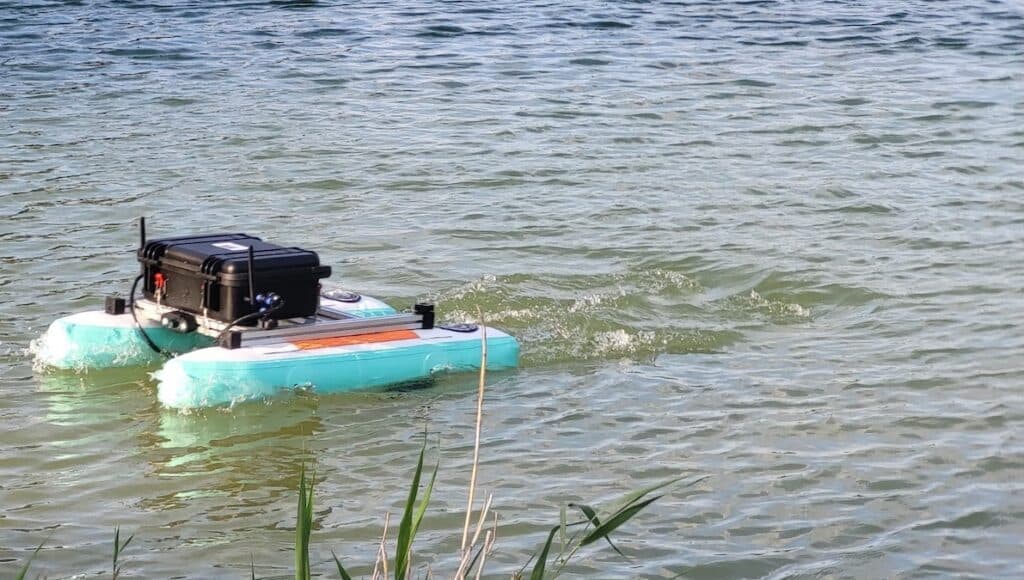
Project Idea: An Autonomous Water-Sampling Rover
For students interested in robotics, electrical engineering, environmental science, mechanical engineering, or sustainability, an environmental monitoring rover can unite multiple disciplines.
The goal is to build a small aquatic or terrestrial vehicle equipped with sensors that monitor environmental conditions.
Depending on the design and location, the rover might measure:
- Water temperature
- pH
- Turbidity
- Dissolved oxygen
- Conductivity
- Soil moisture
- Air temperature
- Humidity
Ninth Grade: Learn Electronics
The student can begin with an Arduino or Raspberry Pi.
They should learn basic circuits, sensors, breadboards, data logging, and introductory programming.
A first experiment might involve measuring temperature or soil moisture over several days.
Simple is enough.
The purpose is to understand how physical information becomes digital data.
Tenth Grade: Build a Sensor Platform
The student can connect multiple sensors and create a system that records readings to an SD card or computer.
They can compare sensor accuracy, calibrate readings, and build a basic chassis.
This is also the time to learn that outdoor engineering is different from classroom engineering.
Water leaks.
Batteries lose power.
Sensors drift.
Wires disconnect.
The environment does not care that the code worked perfectly at home.
Eleventh Grade: Develop the Rover
The student can integrate the sensors into a mobile platform and explore solar assistance, waterproofing, GPS tracking, or programmed movement.
The project should be deployed only in safe and permitted locations with adult supervision.
Rather than collecting one afternoon of data, the student can conduct repeated measurements across several weeks.
Repeated data creates a stronger investigation.
Twelfth Grade: Analyze the Environmental Story
The student can compile the results, identify patterns, and write a formal research paper.
The paper should discuss environmental conditions, sensor limitations, unusual readings, possible causes, and opportunities for future monitoring.
The student might present the work to a school environmental club, science fair, local watershed organization, or community group.
The rover is visually interesting.
But the deeper project is the environmental question the rover helps answer.
Medicine and Public Health
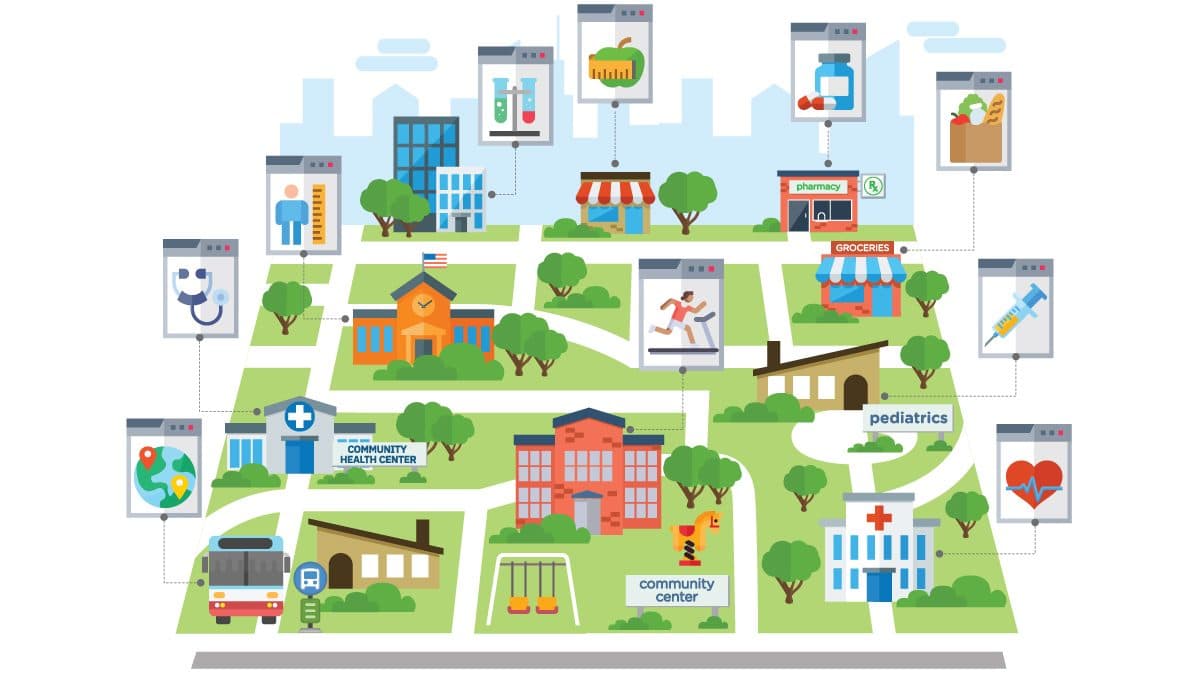
Project Idea: A Community Health Education and Data Initiative
Students interested in medicine often believe they must immediately enter a laboratory or shadow a physician.
Those experiences can be valuable.
But medicine is not only about hospitals.
It is also about prevention, access, communication, behavior, cost, and trust.
A student can create a public health project that investigates a local health concern and develops an educational response.
Possible areas include:
- Teen sleep habits
- Nutrition literacy
- Vaccine information
- Diabetes prevention
- Mental health resource awareness
- Screen time and wellness
- Health misinformation
- Access to preventive care
- Language barriers in health communication
Ninth Grade: Explore the Healthcare System
The student can begin by reading reputable health information, taking introductory biology or health courses, and learning about different healthcare careers.
They can interview professionals such as physicians, nurses, physical therapists, public health workers, pharmacists, or medical researchers.
The purpose is to understand that healthcare is an ecosystem.
Tenth Grade: Identify an Information Gap
The student can select one focused health topic and review existing educational resources.
They might notice that information is too technical, unavailable in multiple languages, or poorly designed for teenagers.
A small project could involve creating an evidence-based infographic, website, video series, or workshop.
All health information should be reviewed by a qualified adult or professional.
The student should educate.
They should not diagnose.
Eleventh Grade: Build a Community Initiative
With school or organizational approval, the student can conduct an anonymous needs assessment, organize an educational event, or partner with a health professional.
For example, a student interested in teen sleep might:
- Review scientific literature
- Analyze publicly available adolescent sleep data
- Survey students anonymously with school approval
- Interview a pediatrician or sleep specialist
- Create a student-friendly sleep guide
- Conduct an awareness campaign
- Measure whether participants' knowledge improved
Twelfth Grade: Publish and Expand
The student can publish a report discussing the problem, research, educational intervention, results, and limitations.
They might train student ambassadors, translate materials, create a toolkit for other schools, or continue the project through a community organization.
A medical project does not become powerful because the student wears a lab coat.
It becomes powerful when the student demonstrates scientific care, ethical judgment, and respect for the people affected by the issue.
Law and Public Policy
Project Idea: A Youth Civic Rights and Policy Project
For students interested in law, political science, government, criminal justice, history, or public policy, a strong project can begin with one local issue.
The goal is not to argue about every national controversy.
The goal is to understand how rules are created, interpreted, enforced, and experienced by real people.
Possible topics include:
- Student privacy
- Artificial intelligence policies in schools
- Youth voting education
- Housing policy
- Environmental regulation
- Public transportation access
- Disability accommodations
- Cyberbullying policies
- Juvenile justice
- Language access in public services
Ninth Grade: Learn How Institutions Work
The student can attend a city council or school board meeting, study the branches of government, join debate or mock trial, and learn how to read a policy.
They can begin keeping a civic observation journal.
What issues are discussed?
Who speaks?
Who makes the decision?
Whose perspective is missing?
Tenth Grade: Research One Local Policy
The student can select an ordinance, school policy, court decision, or public issue and study its background.
They can interview community members, attorneys, educators, public officials, or nonprofit leaders.
A pilot project might be a student-friendly policy explainer.
The student is not providing legal advice.
The student is making a complex issue easier to understand.
Eleventh Grade: Produce a Policy Proposal
The student can write a formal policy memorandum containing:
- A clear problem statement
- Background research
- Stakeholder perspectives
- Current policy
- Possible solutions
- Costs and tradeoffs
- A recommended approach
The student might also host a moderated youth forum or present recommendations to an appropriate school or community group.
Twelfth Grade: Build Civic Continuity
The student can create a policy resource website, publish a youth civic guide, organize a nonpartisan information campaign, or train younger students to continue the initiative.
A law-related project should demonstrate more than argument.
It should demonstrate evidence.
It should show that the student can listen to opposing viewpoints, examine tradeoffs, and revise a position when the facts require it.
That is not weakness.
That is legal thinking.
Business and Economics
Project Idea: A Local Small-Business Growth Lab
For students interested in business, entrepreneurship, marketing, finance, or economics, the strongest project is not always launching a company.
Sometimes it is helping an existing organization solve a real problem.
The student can partner with a local business, nonprofit, student organization, or family-owned enterprise to study customer behavior, pricing, operations, marketing, or financial planning.
Ninth Grade: Learn How Businesses Work
The student can study basic accounting, marketing, supply and demand, customer service, and business models.
They can interview a business owner and observe the difference between revenue and profit.
This distinction alone is more useful than many inspirational entrepreneurship videos.
Tenth Grade: Conduct a Small Business Analysis
The student can select one organization and examine a specific challenge.
Why are customers not returning?
Which marketing channels work?
What products are most profitable?
Where is time being lost?
The student can build a survey, spreadsheet, competitor analysis, or basic financial model.
Eleventh Grade: Test a Solution
The student can recommend and implement a small improvement.
Examples might include:
- A redesigned website
- A customer follow-up system
- A social media campaign
- A simple inventory tracker
- A new pricing comparison
- A community partnership
- A student referral program
The project should measure results.
More website visits are interesting.
More completed inquiries, returning customers, donations, or saved staff hours are stronger.
Twelfth Grade: Create a Business Case Study
The student can document the initial problem, research, proposed solution, implementation, results, and lessons learned.
They might also create a toolkit that other local organizations can use.
Business is not merely about calling yourself a chief executive officer.
It is about creating value, measuring outcomes, and accepting responsibility when a strategy does not work.
Psychology and Social Sciences
Project Idea: A Student Experience Research Project
For students interested in psychology, sociology, education, anthropology, or human development, a research project can examine how students experience school and community life.
Possible topics include:
- Academic stress
- Study habits
- Belonging
- Social media use
- Peer mentorship
- School transitions
- Extracurricular participation
- Help-seeking behavior
- Student motivation
Ninth Grade: Observe and Read
The student can begin with introductory psychology, research articles, and observation of everyday behavior.
They should learn an important lesson early:
Personal experience is a starting point.
It is not automatically evidence.
Tenth Grade: Learn Ethical Research
The student can learn about survey design, sampling, bias, privacy, informed consent, and the difference between correlation and causation.
A small project might analyze an existing public dataset rather than collecting new information.
Eleventh Grade: Conduct an Approved Study
With school approval and adult supervision, the student can conduct an anonymous survey, interview study, or educational intervention.
The student must protect privacy and avoid collecting unnecessary sensitive information.
For example, a project on ninth-grade transition might examine which resources help new students feel more connected to school.
Twelfth Grade: Translate Findings Into Action
The student can publish a report and develop a practical response, such as a peer-mentoring guide, transition workshop, study-skills resource, or student orientation program.
The most important part of social science is not producing dramatic conclusions.
It is representing people accurately and responsibly.
Arts, Media, and Communications
Project Idea: A Community Oral History and Documentary Archive
Students interested in journalism, film, communications, history, creative writing, photography, or digital media can create an oral-history project.
The goal is to preserve stories from a particular community, generation, neighborhood, or experience.
Possible themes include:
- Immigrant family journeys
- Local business histories
- Veterans' experiences
- Women in technology
- Community responses to change
- First-generation college stories
- Cultural traditions
- The history of a neighborhood
- Experiences of educators or healthcare workers
Ninth Grade: Learn to Tell a Story
The student can practice photography, audio recording, video editing, interviewing, and narrative writing.
They can analyze documentaries and identify how music, framing, pacing, and editing shape meaning.
Tenth Grade: Create a Short Profile
The student can interview one person and create a short written, audio, or video profile.
They should learn to request permission, verify facts, and allow the subject to understand how the material will be used.
Eleventh Grade: Build the Archive
The student can collect multiple interviews, identify recurring themes, and produce a documentary, podcast series, digital exhibition, or written collection.
The work should preserve the speaker's voice rather than forcing every story into the student's preferred conclusion.
Twelfth Grade: Share the Stories Responsibly
The student can partner with a library, cultural organization, school, or community center to preserve and present the archive.
They might organize a screening, publish a digital collection, or create educational materials for younger students.
A media project becomes meaningful when it does more than attract attention.
It gives attention.
What Makes a Project Strong?
The strongest projects usually contain five elements.
Curiosity
The student begins with a real question rather than a résumé strategy.
Skill
The student develops knowledge or technical ability over time.
Consistency
The work continues long enough to move beyond a one-day event.
Contribution
Someone other than the student benefits from the project, learns from it, or can use the final result.
Reflection
The student can explain what changed, what failed, and how the experience influenced their thinking.
Not every project needs national recognition.
Not every project needs thousands of users.
Not every project needs to become a nonprofit.
A small project completed with discipline can be more meaningful than a large organization that exists mainly on paper.
Documentation Matters
Students frequently complete valuable work but fail to document it.
Months later, they struggle to remember dates, decisions, results, and lessons.
Every serious project should maintain a record containing:
- The original question
- Research notes
- Mentor or partner meetings
- Photographs
- Prototype versions
- Data sources
- Testing results
- Challenges
- Changes made
- Community feedback
- Final outcomes
- Personal reflections
This record can later support a portfolio, résumé, activity description, essay, presentation, or interview.
Documentation should not begin in twelfth grade.
It should begin on the first day.
The Project Should Belong to the Student
Parents can provide transportation.
Mentors can provide expertise.
Teachers can provide guidance.
Counselors can help organize the path.
But the student must remain the owner.
The student should understand the work.
The student should make decisions.
The student should communicate with collaborators.
The student should be able to explain every major part of the project without looking toward a parent for the answer.
Colleges are not searching for projects completed by adults using a teenager's name.
They are trying to understand the teenager.
That understanding comes from ownership.
The New Definition of a High School Project
A high school project is not a performance of adulthood.
It is preparation for adulthood.
It is a structured way for a student to move from interest to knowledge.
From knowledge to skill.
From skill to contribution.
From contribution to reflection.
A ninth grader does not need to know exactly where the journey will end.
The student only needs a thoughtful place to begin.
By tenth grade, the student builds capability.
By eleventh grade, the student creates something real.
By twelfth grade, the student understands what the work means.
That is the true value of the four-year project journey.
Not a title.
Not a certificate.
Not another line placed beneath an already crowded list of activities.
The value is that the student can enter college knowing more about the field, more about the world, and more about themselves.
Because the goal was never simply to complete a project.
The goal was to develop a person capable of creating one.